Abandoned cart countdown timers
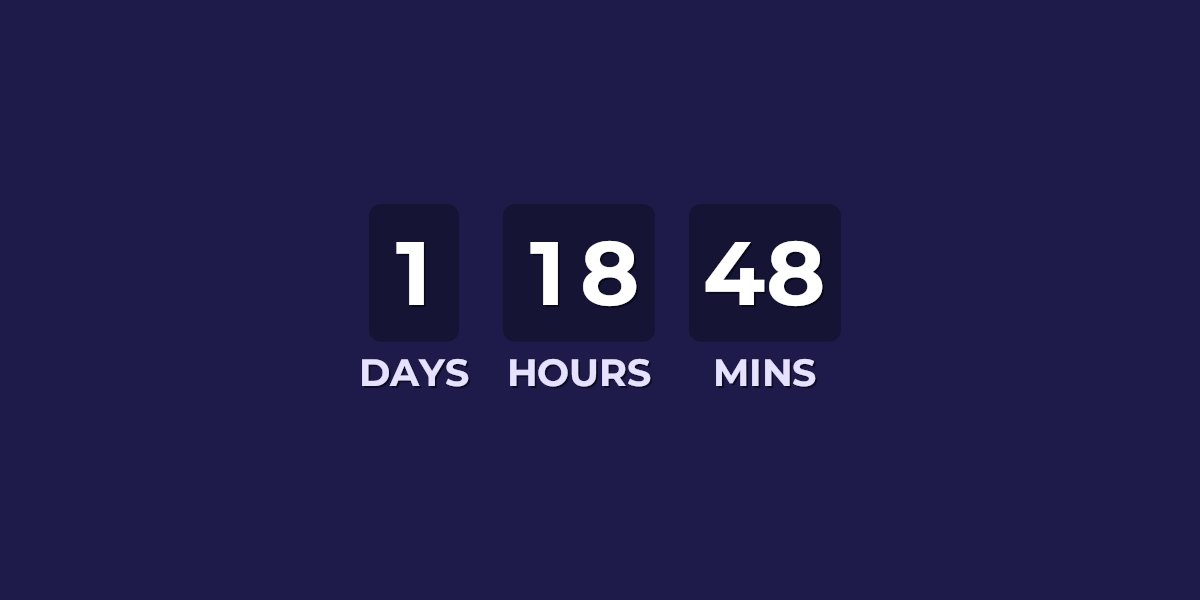
Cart-recovery emails work best with a concrete reason to act now: "your cart is held for 24 hours", "your 10% code expires tonight". UrgencyKit puts that deadline in the email as a live countdown image — and because every shopper abandons at a different moment, each one sees a countdown to their own deadline.
How it works
Your cart-recovery flow already knows when each shopper abandoned. Store their deadline —
abandonment time plus your hold window — in a profile or event property, and swap the embed's
?end= value for that merge tag:
In Klaviyo that's a profile or event property; in
Mailchimp a merge field; in
Brevo a contact attribute. The ?end= value accepts a
Unix timestamp or ISO 8601 date. Every open renders that shopper's remaining time — this is an
evergreen countdown, so the flow never needs a shared
campaign deadline.
Setting it up
- Create a campaign in UrgencyKit — the deadline you set becomes the fallback when no
?end=is supplied. - Style it — match your store's branding, or overlay the countdown on a product-themed background.
- Copy the embed and paste it into your recovery flow's emails.
- Swap the
?end=value for your flow's deadline property. - Set the expired state for opens after the hold lapses.
The whole recovery sequence stays honest
Most flows send two or three recovery emails. The same personalized embed works in all of them — the one-hour-later email shows nearly the full window, the next-day email shows the final hours, and both stay accurate if the shopper reopens them. When the hold expires, the timer switches to a custom expired state — an invitation back to the store instead of a dead countdown promising a hold that's gone.
Frequently asked questions
How do I add a countdown timer to abandoned-cart emails?
Copy the UrgencyKit embed into your recovery flow, and swap the ?end= value for the
property where your flow stores each shopper's deadline.
Can each shopper see their own deadline?
Yes — the countdown renders against each recipient's own deadline, counting from their own abandonment.
What happens when the hold expires?
The timer switches to a custom expired state, so late opens see an invitation back instead of a lapsed countdown.
Which platforms does it work with?
Klaviyo, Mailchimp, Brevo, HubSpot, ActiveCampaign — any platform whose flows can insert a per-recipient deadline as a merge tag.